Flat-tire spare swap
Sidewall, tread, blowout, slash — wherever the damage is, the answer is the same. We pull your spare and put it on at your location.
$65 weekday · $50–$65 weekend
See full service details →
A sidewall tear, slash or bulge cannot be safely plugged — and driving on it is how people lose a wheel at 70 mph on I-95. We dispatch a tech to your GPS pin, pull your spare from the trunk, and swap it on at your location. Typically 15 minutes to dispatch.
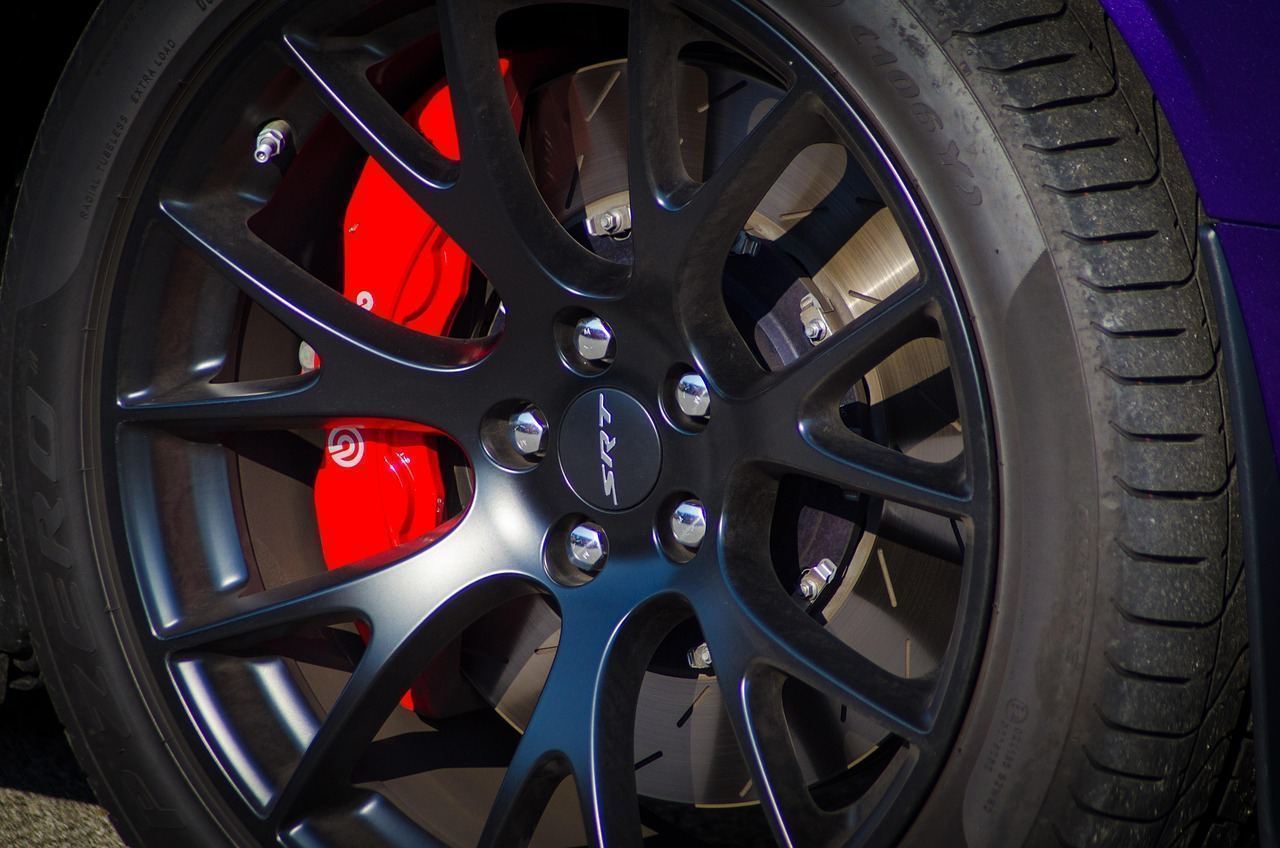
The sidewall is the flexible rubber between your tread and your bead — the part that flexes every time you turn, brake, or hit a bump. A cut, slash, bulge, or puncture on the sidewall compromises the structural integrity of the tire in a way the tread surface does not.
Pull as far off the lane as you can, turn on your hazards, set the parking brake, and stay out of the travel lane. We will come to you.
Video: practical sidewall-versus-tread demonstration — when a tire can be repaired and when it must be replaced.
No app to download, no form to fill. You call, we dispatch, your tech arrives at your pin.
Tap the orange button or dial direct. Tell us where you are — a freeway shoulder, a parking garage, a driveway — and the size on the sidewall of your spare (it will be on a sticker inside the driver door jamb too).
We text you a tracking link. Watch the tech come to you in real time on the map. Typical dispatch window across Miami-Dade is around 15 minutes.
Tech pulls your spare from the trunk, mounts it, torques the lugs to spec, stows the damaged tire, and you are back on the road. Most swaps finish in 15 to 25 minutes once we are on scene.
Our crew does one thing at the roadside — swap on your spare — and one thing in your driveway — top off a low A/C system. That's it. We don't sell tires, we don't carry a parts truck, we don't pretend a slash is a patch.
Sidewall, tread, blowout, slash — wherever the damage is, the answer is the same. We pull your spare and put it on at your location.
If the puncture is in the crown of the tread and smaller than a quarter, a plug from the outside can be a safe interim fix and keep your original tire on.
Run-flats, donut missing, or the spare is at 15 psi? We bring a service spare to your location and install it. Hold of $40 on the booking card, refunded on arrival.
If your vents stop pushing cold in the Miami heat, a recharge can buy you months of comfort. We come to your driveway or office lot — no shop visit.
Sidewall hits aren't random. They cluster around three patterns: concrete-spalled highway lanes, the steel plates that bridge construction joints, and the curbed shoulders of parking structures. Here is where each one tends to strike.
Concrete-spalled lanes around the NW 62nd Street and NW 135th Street exits have been the worst of it for years. The longitudinal construction joints between slabs catch tires on the seam, and the shoulder rumble strips shear off sidewall rubber on contact. Most of our I-95 sidewall calls come from the inside lane, just past an expansion joint.
The 826 has long, sweeping ramps where the inside shoulder drops into a curb reveal. Tires that wander a half-foot onto the inside edge on a sweeping ramp often come back with a sidewall slice. The worst stretch runs from Okeechobee Road up to NW 36th Street where the express lanes weave.
Under every overpass on the 836 there is a debris shadow — chunks of truck tire, construction lumber, chunks of rim. Sidewalls get sliced by debris that bounces out from a truck ahead of you. The eastbound lane around NW 27th Avenue is the consistent call.
The South Dixie Highway has a raised concrete median that bites tires on any contact, especially in the rain when drivers drift. Sidewall hits here are usually clean slashes from the curb reveal itself, not from debris.
Multi-level parking garages are where sidewalls meet concrete pillars at the tightest turning radius. Most mall-lot sidewall hits we see are inside the structures, not out in the lot, and almost always on the passenger-side front tire.
The Collins Avenue / A1A parallel roads east of US-1 have narrow lanes, frequent tourist traffic, and tight parking. Sidewall scrapes against curbed islands are the main cause, especially at the side-street intersections.
These are the streets where potholes go unrepaired longest. A pothole hit at speed doesn't just dent a rim, it can pinch the sidewall between rim and pavement hard enough to break internal cords and create a slow bulge that fails hours later.
The Golden Glades weaving zone where the 826, I-95, and the Florida Turnpike all merge has the highest density of sidewall-blowout reports in the county. Long ramps, fast speed differentials, debris from overladen trucks.
The residential street grid in these cities is laid out around drainage swales — those V-shaped concrete ditches at the edge of pavement. A tire that drops into one at speed can blow out a sidewall instantly. The swale-edge failure mode is unique to South Florida.
Hialeah's industrial side streets around the milk district and the railroad crossings are where we see the highest concentration of sidewall damage from rail debris — chunks of tie plate, twisted wire, fragments of brake shoe.
We cover the full urban core of Miami-Dade — from Aventura down to Kendall and Pinecrest, from Miami Beach across to Hialeah and Homestead (north half). Outside the core we extend along the highway corridors as far as Florida City on US-1.
If your pin is inside the shaded zones, we typically reach you within 15 minutes. The map loads only when you scroll to it.
Map data: OpenFreeMap · zones approximate · dispatch time depends on traffic, weather, and active jobs.
We don't pay for reviews, we don't run discounts-for-reviews promotions, and we don't post screenshots of texts. These are the actual notes people left after we swapped their spare at their location.
"I hit a piece of rebar on the inside lane of the 95 just past the 125th Street exit. Sidewall slice, no spare confidence. They were at my shoulder in 12 minutes and I was back on the road in 18."Marcus T.NW Miami-Dade · I-95 northbound shoulder
"Sidewall bulge after I hit the curb in the Dolphin garage. They told me straight up — don't drive on it, we'll come to you. Showed up at the garage entrance in 14 minutes. Refused to upsell me on a new tire I don't need yet."Adriana P.Doral · parking structure
"Took a chunk out of my sidewall on the ramp from the Turnpike to 826. They were at the bottom of the ramp in 13 minutes. Honest, fast, didn't try to sell me roadside coverage I don't want."Devon J.Miami Gardens · Turnpike-to-826 ramp
"Cut my sidewall on the curb reveal of the parking garage at Aventura Mall. They dispatched, I got the tracking link by SMS, watched the van pull up. Spare on, lugs torqued, damaged tire in my trunk, done."Priya R.Aventura · parking garage level 2
Our dispatchers work the phones in English, Spanish, Haitian Creole, Portuguese, and French. Pick the language you want to be served in.
Most sidewall calls come from drivers who have never had this happen before. Here are the questions that come up the most.
Not by us, and not safely. The sidewall is woven internal cords under tension — an outside plug or patch won't restore that structural integrity. Tire-industry guidance (the USTMA and the Rubber Manufacturers Association) is consistent: a tire with a sidewall puncture must be replaced, not repaired. Our job is to swap on your spare so you can get to a tire shop on your own schedule to buy a replacement at retail.
Yes. Visible cords mean the tire has lost its structural integrity. Do not drive on it. Pull as far off the travel lane as you can, set your hazards, set the parking brake, and stay out of the road. If you can safely exit the vehicle from the passenger side, do that. Then call us.
The sidewall is the smooth vertical surface between the tread (the part that touches the road) and the bead (the part that seats against the rim). If the damage — a cut, slash, bulge, or bubble — is anywhere on that vertical face, it's a sidewall issue. If it's in the center grooves or the shoulder blocks (where the tread wraps around toward the sidewall but is still grooved), it may be a tread puncture that can be plugged.
We bring a service spare to your location. It's a standard compact temporary spare (T-type, 60 psi max, 50 mph max) that fits most sedans and small SUVs. There is an extra charge for the no-spare rescue (the spare itself plus the truck roll), and we place a $40 hold on your card at booking that we refund when we arrive. Read the full breakdown on our no-spare rescue page.
No. We are a tire service, not a tow service. We bring the swap to your location. If your car is undrivable for another reason (transmission, electrical, accident damage), we'll happily refer you to a tow company we know — just ask on the call.
Most passenger-car swaps finish in 15 to 25 minutes from the time we open the trunk to the time we torque the last lug. The damaged tire goes in your trunk (or your back seat if the trunk is full), the spare goes on the hub, and you're handed the keys.
Weekday flat-rate swaps are $65. Weekend AM (before 5pm on Saturday or Sunday) is $50. Weekend nights (after 5pm Friday/Saturday) is $65. A plug from the outside is an extra $10 on top of any swap. The no-spare rescue adds $40 plus the $40 hold we refund on arrival.
Not commercial-class trucks. We service passenger cars, SUVs, crossovers, and light pickup trucks up through half-ton. For larger vehicles or commercial tires, ask on the call and we'll refer you.
Our technicians are EPA Section 609 certified for mobile air-conditioning service. We recover refrigerant before recharging, we never vent R-134a or R-1234yf to atmosphere, and we log the weight of refrigerant added and recovered on every AC visit. Tire work carries no EPA certification requirement; we follow USTMA and RMA published guidance on repair-versus-replace decisions. If a tire has visible sidewall damage — cords, fabric, bulge — we will not plug, patch, or "fix" it. We swap on your spare so you can drive to a tire retailer on your own schedule.
Local writing for local drivers. Each post is researched, dated, and updated.
The cords in a tire sidewall are under tension in every direction at once. A plug can't restore that. Here's why.
Read the post →Concrete spalls, debris shadows, and curb reveals. A map of where the calls come from.
Read the post →A bulge means internal cords have failed. The tire can separate at speed without warning.
Read the post →How our tech decides plug, swap, or no-go in the first 90 seconds on scene.
Read the post →